Troubled
I can’t quite remember what led me to pick up Troubled by Rob Henderson, but I was hooked within the first few pages. I found myself stealing pockets of time, even in a very busy week at work, to keep reading.
I both could and couldn’t relate to Rob’s story. Much of his childhood was nothing like mine: neglect from both parents, a mother battling addiction, years in foster homes before he turned ten, exposure to substances that numbed pain, and a drift toward destructive behaviour rooted in pain and purposelessness. I don't remember any of that being part of my experience. Yet some parts resonated deeply, especially the transformative power of having someone genuinely believe in you, and the formative influence of early reading. As good books do, this one gave me occasion to think: it made me reflect on my own childhood and piece together some explanations for tendencies I still notice in myself.
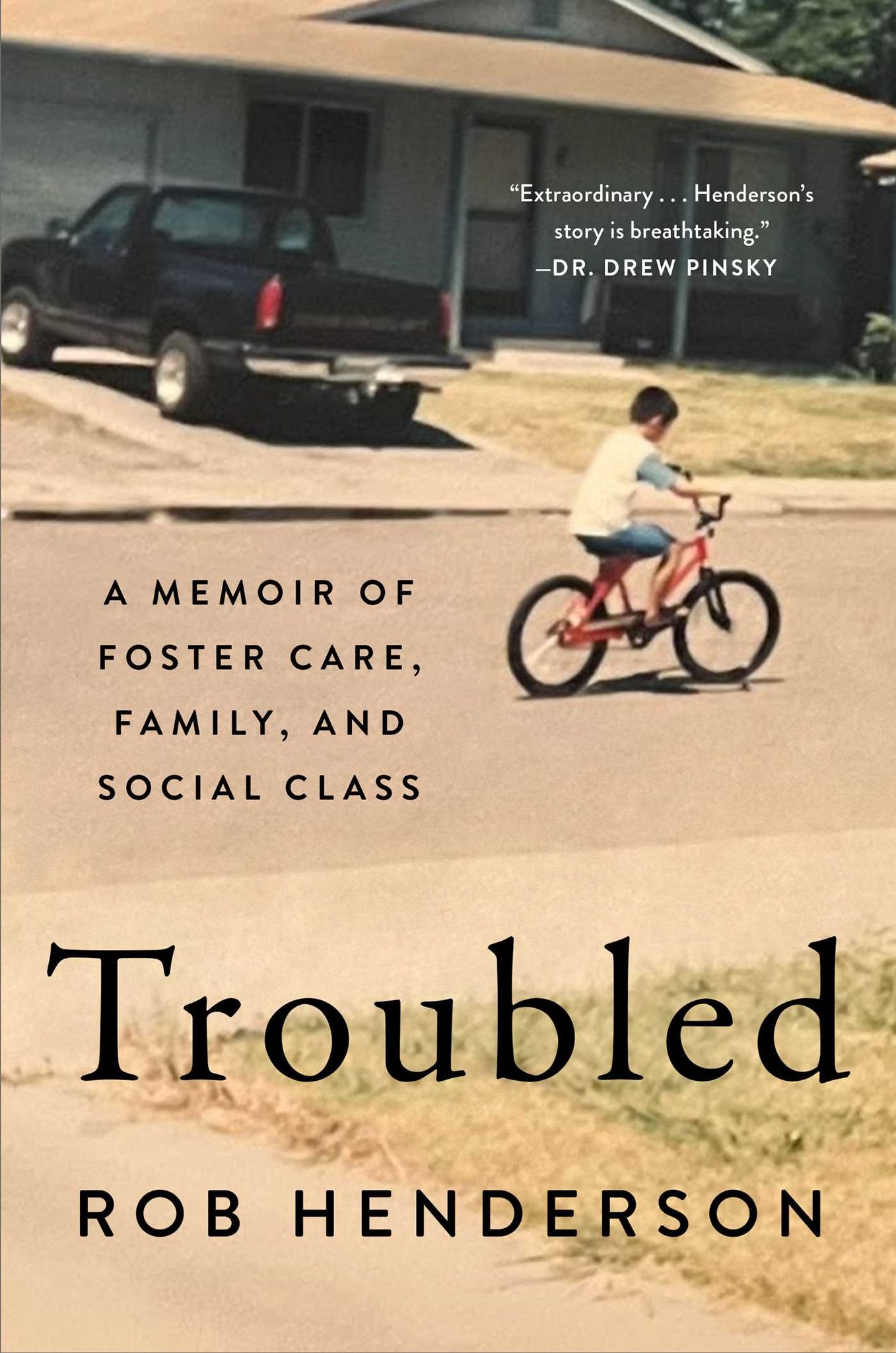
I wish the cover did more justic to the content
The book also made me think differently about education. At least, it made me place a lot more weight on a particular aspect of education. I often spend my days thinking about how technology might improve it. Reading this book reminded me why educating children is NOT JUST a matter of better tools, better evidence, or better teaching techniques. At some level, it depends on whether a child comes to see learning as something worth caring about. This is a a big part of what researchers now call "student engagement".
What floored me, though, was Henderson’s insistence on the emotional security of children over upward mobility.
“I’ve come to believe that upward social mobility shouldn’t be our priority as a society. Rather, upward mobility should be the side effect of far more important things: family, stability, and emotional security for children. Even if upward mobility were the primary goal, a safe and secure family would help achieve it more than anything else. Conventional badges of success do not repair the effects of a volatile upbringing.”
And finally, the book also contains the treatment of “luxury beliefs” for which Henderson is best known beyond this memoir. I was already familiar with the concept: ideas and opinions that confer status on the upper class at little cost, while often imposing real costs on those lower down. But the book gives the idea rich personal detail. It is one of those concepts that, once encountered, starts appearing everywhere. Through vivid anecdotes, Henderson brings both analytical clarity and emotional weight to the argument.
I was also struck by his examination of class, not simply in terms of income, but as something expressed through vocabulary, ideas, and beliefs. For a shorter and more accessible introduction to some of these ideas, Rickie Ho on Instagram is also worth a look. Still, the chapter on luxury beliefs alone makes the book worth reading, in my view.
Easy recommendation to most anybody. 9/10